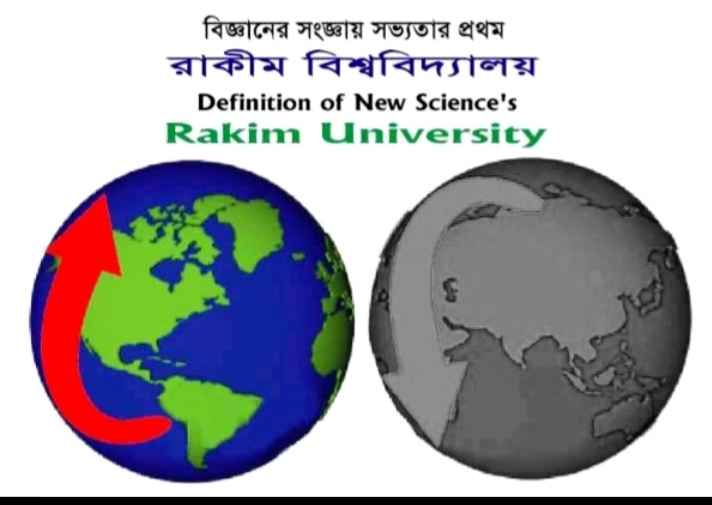
As long as there remains a possibility of generating carbon and oxygen through a "twin planetary body" or "tectonic twin body" mechanism, global civilization has a chance to survive, and this pursuit must be continued.
What happens to the "twin Earth" when the two points of it's risings and settings converge? Your twin field extends from a 30-mile radius to a 600-mile radius, and the ionosphere ends at the 30-mile mark.In other words, what vanishes into The Black Hole does so for an extremely brief period that lies beyond our comprehension.
Nations across the globe, including the United Nations, have—through green afforestation programs—fundamentally altered and separated their habitable "twin Earth" into a completely opposite and distinct entity; consequently, that twin Earth is now perceived as existing in a distant galaxy.
Regardless of which continent you inhabit, you possessed six tectonic twin plates—or their six planetary counterparts: Mercury, Mars, Jupiter, Saturn, Neptune, and Pluto. Had these counterparts not been visible in the sky, you would have existed on a healthy "Twin Earth." Why are they visible?
Since you are a twin—representing the twin of the day-world and night-world (North-South or South-North DC twin, or the Pole Star twin when your counterpart is night, or acting as the sun in the twin-opposite sky)—your twin magnet operates on a South-North or North-North DC twin axis; this is because day and night are mutually opposite.